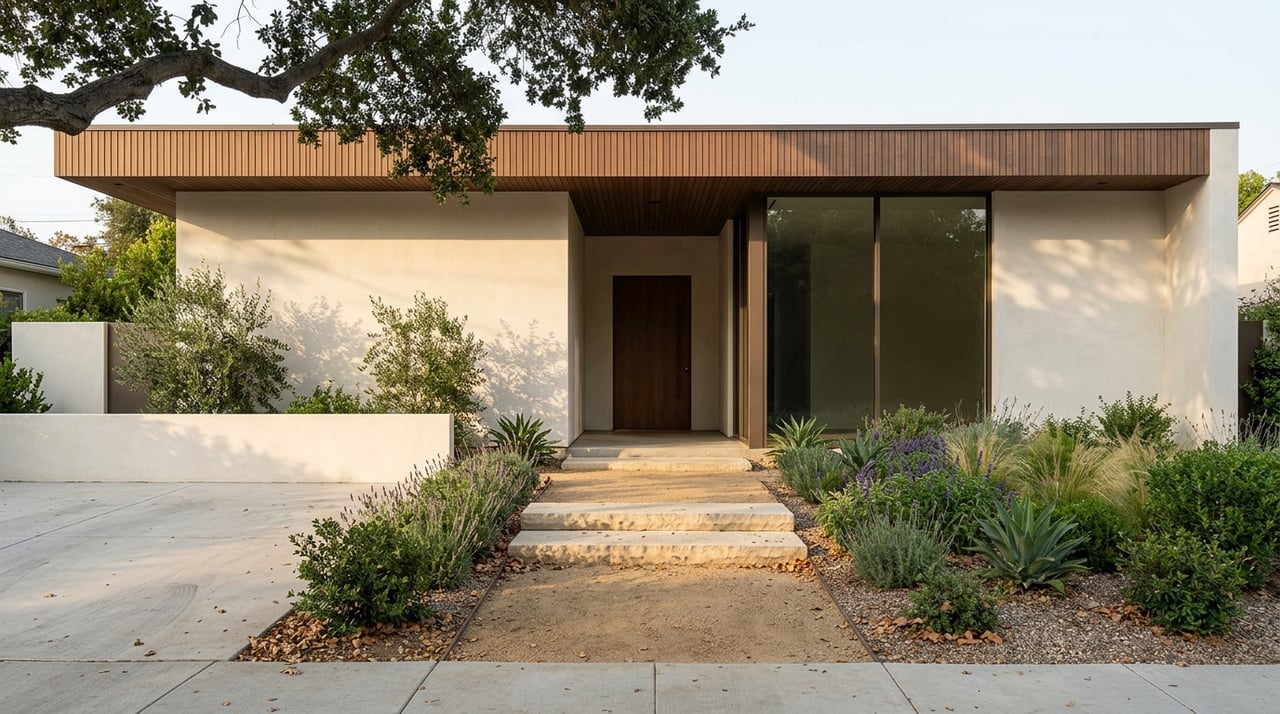
Buying in Studio City: How Lot, Layout, and Light Shape Value
May 28, 2026
May 28, 2026
Buying in Studio City can feel surprisingly nuanced. Two homes with similar square footage can live very differently once you factor in the lot, the floor plan, and the way natural light moves through the space. If you want to buy with more confidence, it helps to know what actually shapes day-to-day enjoyment and long-term value in this part of Los Angeles. Let’s dive in.
Studio City has a mix of property types and settings that create very different buying experiences from one block to the next. City planning materials describe single-family neighborhoods, multi-family areas concentrated along Moorpark Street, commercial activity along Laurel Canyon Boulevard near Ventura Boulevard, and a meaningful stretch of the Los Angeles River.
That mix matters because buyers are not always comparing like for like. A flatter valley parcel, a home near a busy corridor, and a property near the hillside edge may all fall under the same neighborhood name, but they can offer very different privacy, outdoor usability, and light conditions.
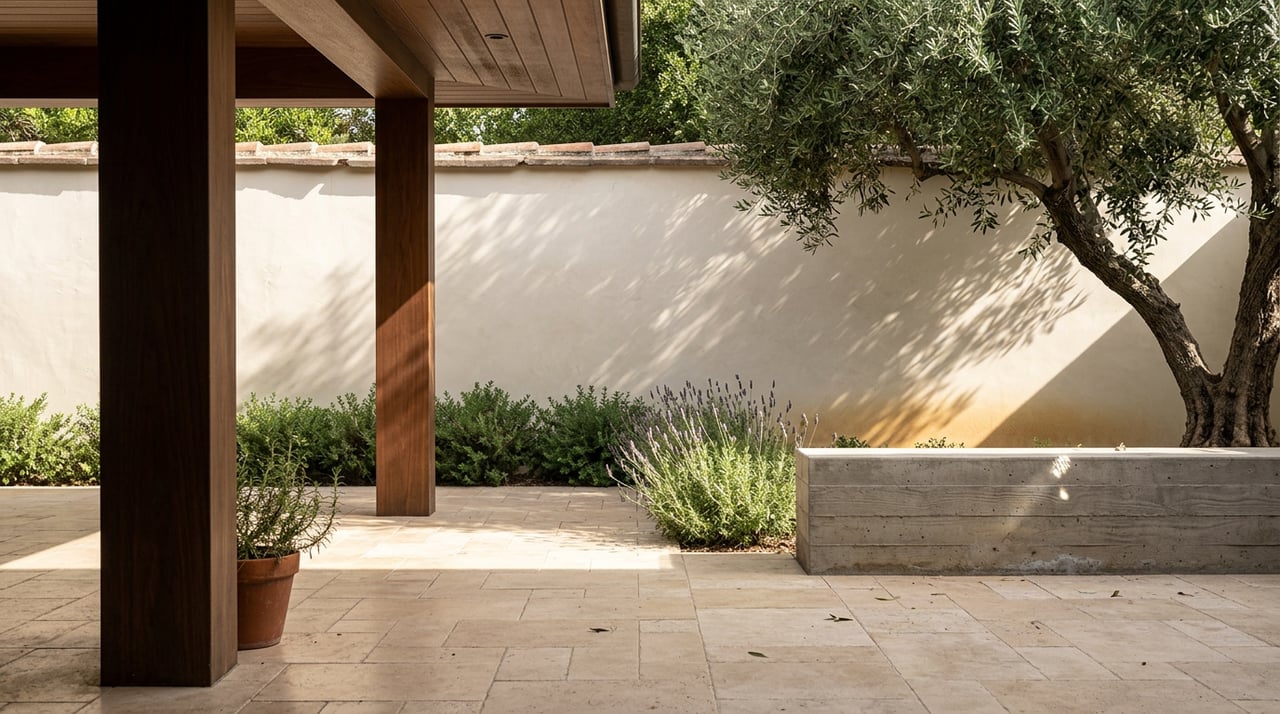
The neighborhood’s streetscape also plays a role. The City’s Studio City/Cahuenga Pass streetscape plan includes street-tree and tree-well standards along Ventura and Cahuenga, which helps explain why canopy and shade are part of the area’s visual character. In real life, that can be a plus for comfort and privacy, but it can also affect how much direct sunlight reaches a home’s interior and yard.
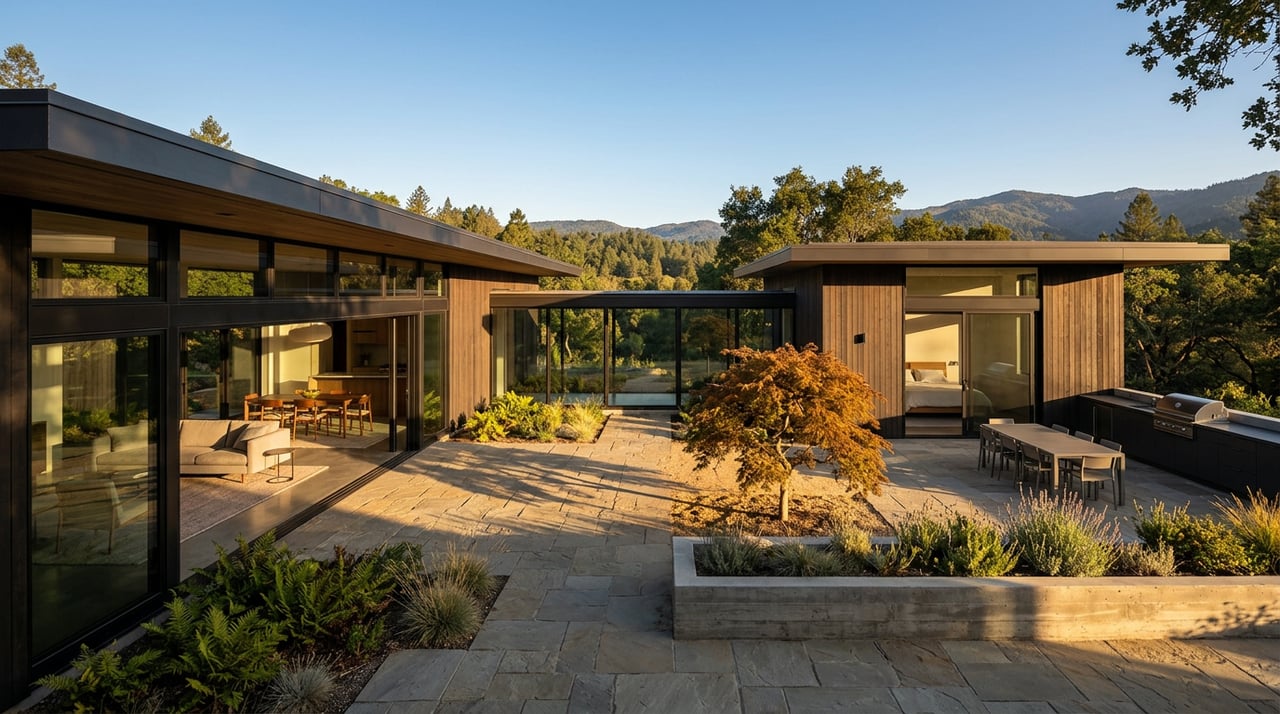
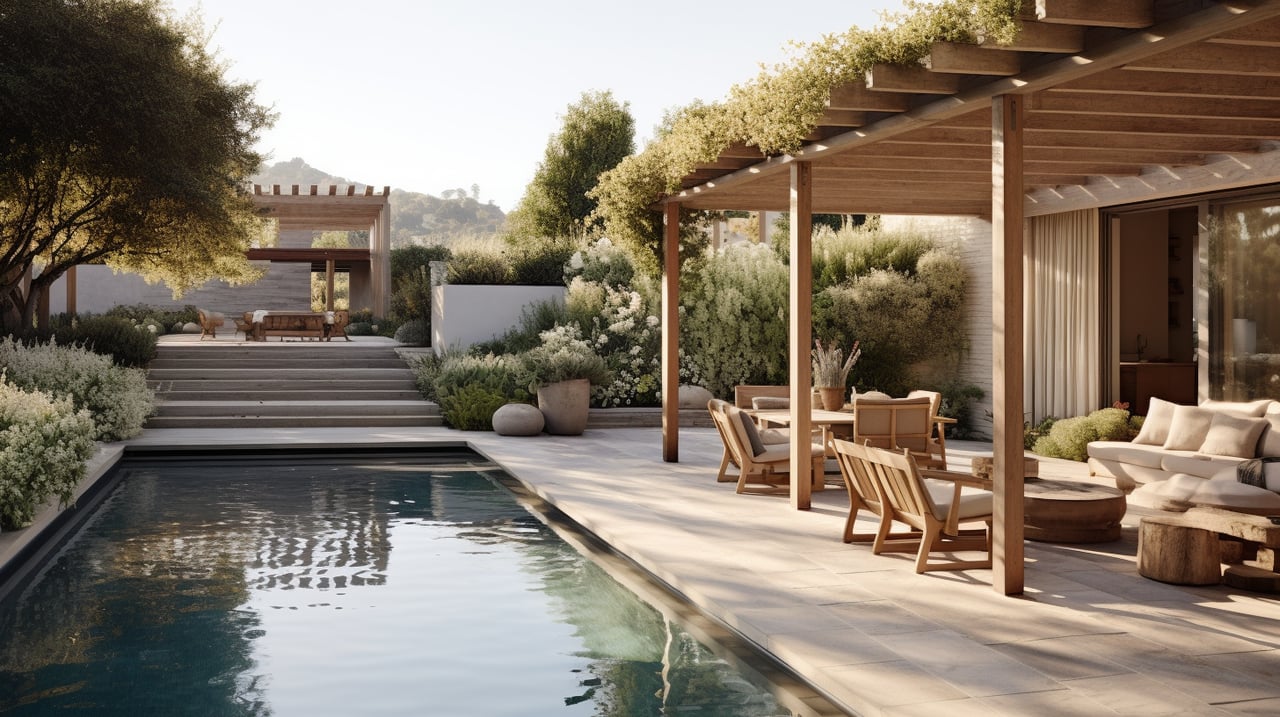
A bigger lot does not always mean a better lot in Studio City. In many cases, the real question is how much of the property you can actually use comfortably and how easily you can improve it over time.
Los Angeles zoning rules do more than regulate use. They also affect site scale, open space, parking, and other property-specific factors, and the City notes that parcel-level questions should be checked in ZIMAS and the zoning code because summary documents do not capture every rule for every property.
That becomes especially important on sloped or hillside sites. According to LADBS, grading plan checks are required for work such as slope repairs, landslide repairs, mass grading, site preparation, basement excavations, pool excavations, and retaining-wall cuts or backfills.
In plain terms, two lots with the same square footage can offer very different value if one has a broad, level yard and the other has limited flat area or more complex site conditions. Buyers often respond to the part of the lot they can truly live on, not just the number listed in public records.
If you are considering a property closer to the hills, slope is only part of the story. The City’s Safety Element identifies Studio City among communities with parcels in the Very High Fire Hazard Severity Zone, and parcel-level mapping is available through local sources including ZIMAS and fire stations.
CAL FIRE explains that fire hazard maps are based on factors such as fuels, terrain, and fire weather. For you as a buyer, that means a hillside lot may need to be evaluated not just for size and views, but also for access, defensible-space considerations, and how the site functions in practice.
When you tour a property, focus on usable space rather than headline measurements. A smaller lot with better orientation and more level living area may compete very well against a larger parcel that is steep, shaded, or costly to improve.
A few smart questions can help:
Square footage still matters, but buyers increasingly care about how the home works for real life. That is especially true if you want flexibility for work, guests, hobbies, or changing routines over time.
Recent buyer research supports that shift. NAR’s 2024 Migration Trends report found that recent clients most often chose homes for outdoor space at 42%, additional square footage at 31%, and a quieter area at 24%. The same report found that job location did not play a role for 43% of recent clients because they work remotely.
Separate buyer research points in the same direction. NAHB’s 2024 study found that 66% of buyers want exactly one home office, and 59% of those buyers want it to be medium-sized. Zillow’s Consumer Housing Trends report found that 64% of prospective buyers rated an extra room for a home office as very or extremely important, and in the West that share rose to 72%.
For Studio City buyers, this often translates into value for layouts that can adapt. A den that can function as an office, a bedroom that works well for guests, or a secondary space that gives you privacy without cutting into the main living area can make a home feel much more useful.
Open flow remains important too. Zillow found that 54% of prospective buyers prefer a contemporary open floor plan, while 22% prefer a traditional closed plan. That tells you many buyers still want connection between kitchen, dining, and living spaces, but they also want some ability to separate when needed.
A strong layout usually supports daily life without making you compromise on every front. When you walk through a home, try to imagine how your workday, weekends, and hosting routine would actually function there.
Pay attention to these details:
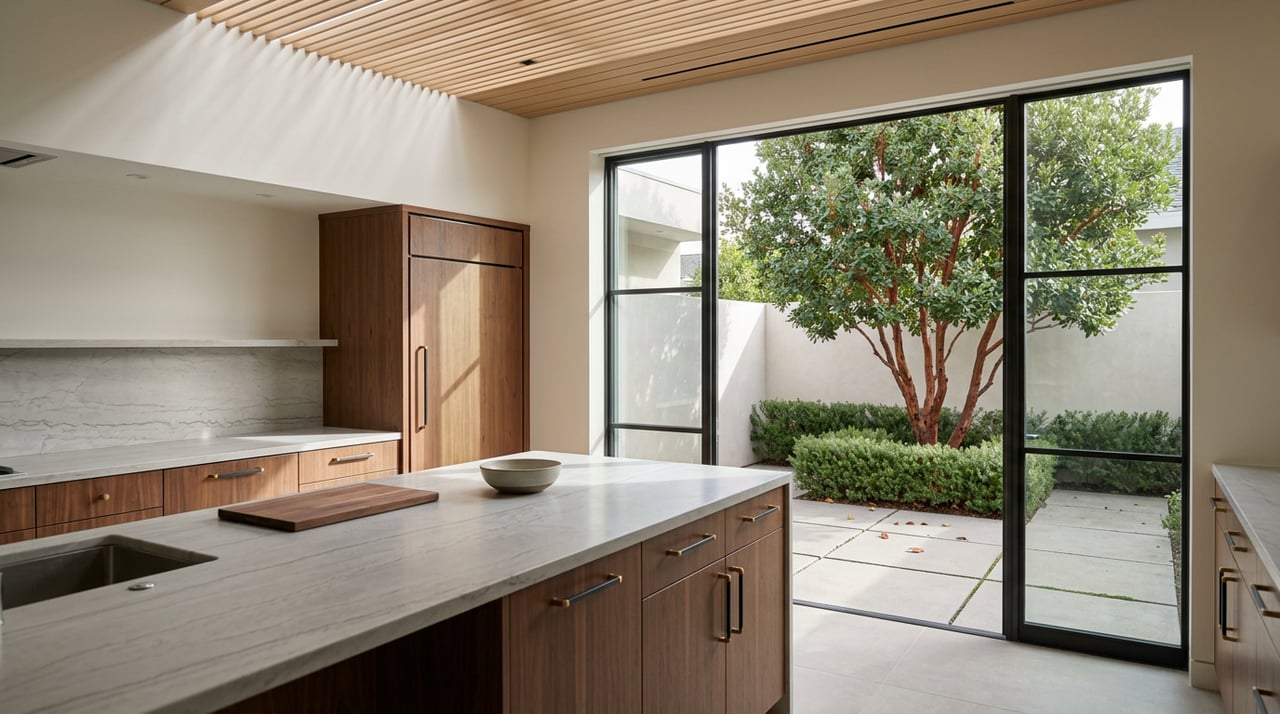
Natural light is one of the fastest ways a home can win you over, or leave you unsure. It affects comfort, mood, and how spacious a room feels, which is why it often shapes perceived value more than buyers expect.
A 2026 Redfin survey found that 44% of U.S. residents would choose a smaller home with more sunlight over a larger one with less. It also found that 69% said the amount of sunlight in their home affects how satisfied they feel where they live.
That matters in Studio City because light conditions can shift from property to property based on mature trees, neighboring structures, slope, and window orientation. A home can have a good floor plan on paper but still feel darker or more enclosed if shade is too heavy at the wrong times of day.
The U.S. Department of Energy describes daylighting as the use of windows and skylights to bring sunlight into the home, and its guidance on orientation is especially useful for buyers. South-facing windows can admit winter sun while staying relatively shaded in summer. North-facing windows tend to provide even light with little glare.
East- and west-facing windows can offer strong light, but they may also bring more glare and heat. DOE notes that west-facing rooms are especially prone to hot afternoon sun, which can change how comfortable a space feels later in the day.
ENERGY STAR adds that west-facing windows are hit by summer sun during the warmest part of the day. It also notes that shade strategies and appropriate glazing can help manage heat, while direct sunlight can contribute to fading on floors, fabrics, and photos.
The best light is not always the most light. In many Studio City homes, the goal is a balance between brightness, shade, and temperature control.
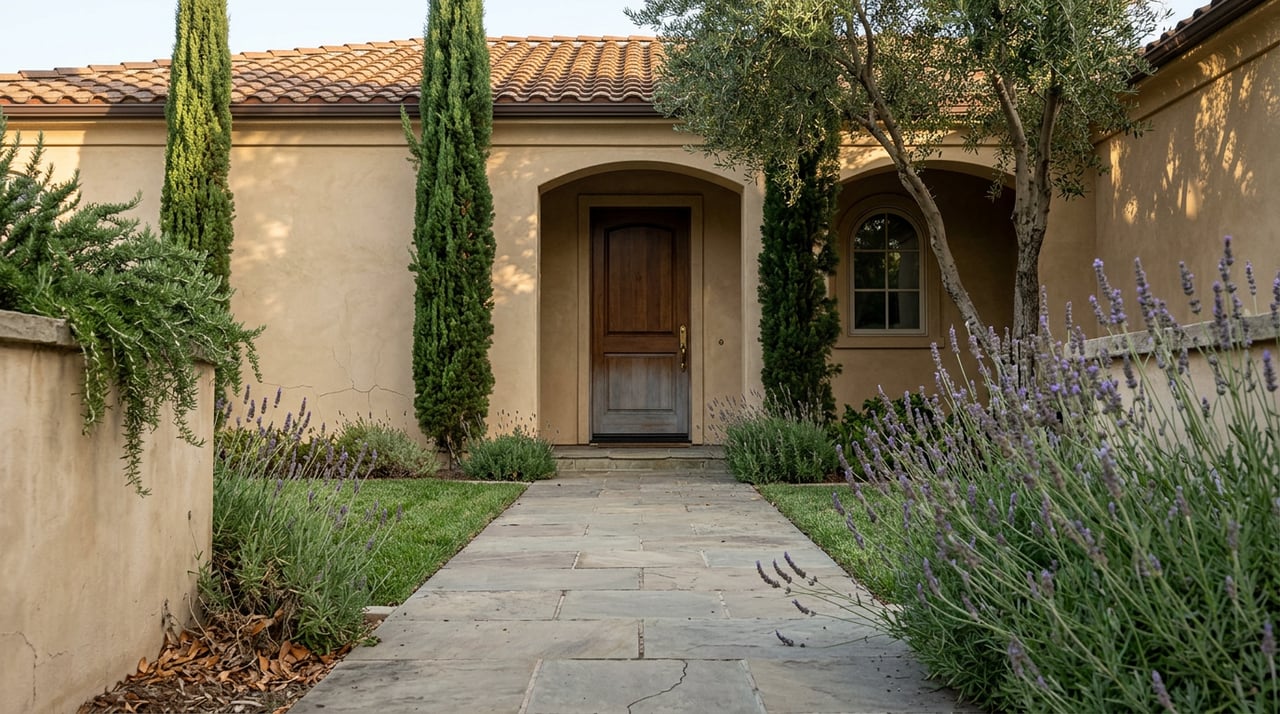
Tree cover may soften heat and add privacy, especially near the neighborhood’s main commercial corridors. At the same time, too much shade can make interiors feel dim. The most appealing homes often have light that feels bright but controllable throughout the day.
A quick showing does not always reveal how a home will live over time. If lot, layout, and light are priorities for you, it helps to evaluate each one intentionally.
Here is a practical checklist to use as you tour homes in Studio City:
If you are buying in Studio City, it helps to think beyond the headline stats. A home’s value is often shaped less by total square footage and more by how well the property supports daily living.
A flatter, more usable lot may outperform a larger but more complicated one. A thoughtful layout with one flexible room may feel better than a bigger home with awkward circulation. And a bright, balanced interior may leave a stronger impression than a house that looks larger on paper but feels dark or overheated.
That is where local context matters. In a neighborhood with valley lots, corridor locations, mature trees, and hillside-edge properties all in the mix, the details can have an outsized impact on both lifestyle and resale appeal.
When you want a sharper read on how a Studio City home really performs beyond the photos, working with a broker who understands construction, layout, and site conditions can make the process much clearer. If you are planning a move, connect with Abdo Pierre Faissal for thoughtful guidance tailored to your goals.
Stay up to date on the latest real estate trends.

Whether buying or selling, Abdo Pierre Faissal delivers a tailored strategy, expert negotiation, and a seamless experience from start to finish.
Get In Touch With Us
ABDO PIERRE FAISSAL | CA DRE# 02090175
The Agency | CA DRE# 01904054
ADDRESS
14140 Ventura Blvd Ste 101
Sherman Oaks, CA 91403