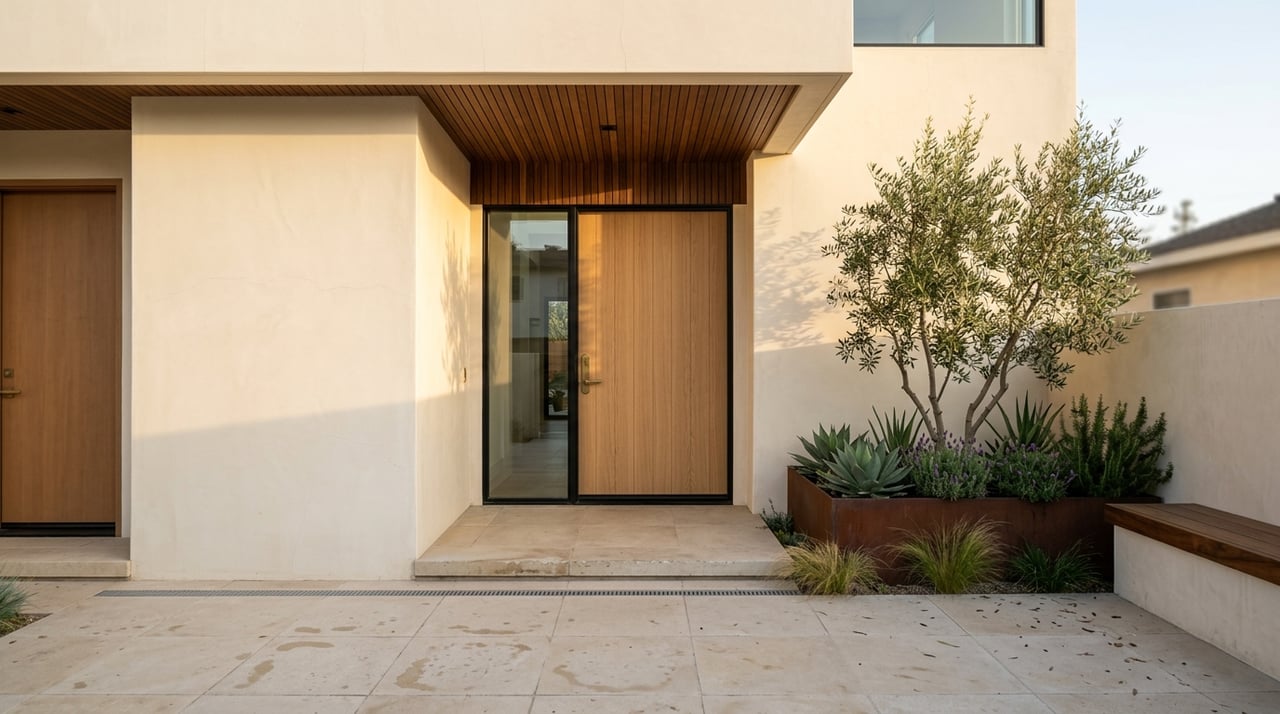
Buying a Condo or Townhome in Encino: What to Know
May 7, 2026
May 7, 2026
If you want to buy in Encino but a single-family home feels out of reach, a condo or townhome may be the smartest way in. That is especially true if you want a more manageable price point, less exterior upkeep, and a location closer to Ventura Boulevard conveniences. The key is knowing that attached living in Encino comes with a different set of costs, rules, and review steps than a detached home. Let’s dive in.
Encino has a clear housing pattern shaped by land use and location. Along the Ventura Boulevard corridor, especially toward the 405, the area trends more urban, with higher-rise buildings and commercial activity. South of Ventura, single-family homes are more common, while areas north of Ventura and the 101 include a mix of single-family and multi-density housing.
That pattern helps explain why condos and townhomes are such an important part of the local market. The Encino-Tarzana Community Plan encourages townhouses and other condominium-type housing in low-medium residential areas and near commercial and transit corridors. For you as a buyer, that often means attached homes are closely tied to convenience, access, and lower-maintenance living.
Current market snapshots also show why many buyers start here. Encino has 72 condos for sale at a median listing price of $509K and 7 townhouses for sale at a median listing price of $760K. In the broader Encino market, the median sale price was $1.3465M in March 2026, so attached homes often provide a meaningfully lower entry point.
One of the biggest mistakes buyers make is assuming the exterior style tells the full story. In California, the legal ownership structure matters more than whether a home looks like a condo, townhouse, or detached house. Two homes can look similar from the street and still have very different ownership rules.
The California Department of Real Estate notes that condominium, apartment, and stock-cooperative projects can even look physically identical. It also explains that some detached or “site” condominiums can resemble single-family subdivisions while still using condo ownership. In planned developments, homes may look detached, but the HOA may still own or maintain common property.
For you, the practical takeaway is simple: do not rely on the listing label alone. If a property is described as a townhome, you still need to understand what the deed says, what the CC&Rs say, and what the HOA is responsible for maintaining. That ownership structure affects your monthly costs, your repair responsibilities, and your day-to-day flexibility.
In Encino, the condo or townhome choice is often as much about lifestyle as budget. Attached homes are more likely to cluster near Ventura Boulevard and freeway corridors, where buyers may find easier access to shopping, dining, and other daily conveniences. Single-family homes are more common in quieter, estate-oriented areas south of Ventura.
That does not make one option better than the other. It simply means the tradeoff is different. A condo or townhome may give you a more predictable maintenance routine and access to shared amenities, while a single-family home may offer more privacy, land, and freedom to make changes.
Many Encino attached-home communities offer features that can make daily living easier or more enjoyable. Denser California projects often include common open space or recreational facilities, and current Encino listings commonly advertise features such as:
These features can add value to your lifestyle, but they also help explain why HOA dues vary from one property to another. A building with more shared systems and amenities may come with a higher monthly fee.
When you buy a condo or townhome, the HOA deserves the same level of attention as the unit itself. California law requires important HOA documents and disclosures to be provided before closing. That package can tell you far more than the monthly dues amount.
Under California Civil Code, the annual budget report must include a pro forma budget, a reserve summary, a reserve funding plan, statements about deferred major repairs, possible special assessments, outstanding loans, and insurance summaries. For condominium projects, it must also state whether the project is FHA- or VA-approved. That can be especially important if you plan to use one of those loan programs.
For many buyers, this is where the real story of the building starts to come into focus. A community with low dues may still have weak reserves or upcoming repair costs. On the other hand, a community with higher dues may be better prepared for long-term maintenance.
Reserve funds are the HOA’s savings for future major repairs and replacements. If reserves are not strong enough, owners may face special assessments to cover needed work. That is why a lower sticker price does not always mean a lower overall cost.
Before you move forward, it helps to ask a few direct questions:
These questions can help you compare two properties that may look similar on paper but carry very different financial risk.
A common point of confusion is insurance. The HOA’s insurance summary is helpful, but California law makes clear that it is not a substitute for the actual policies. It may not protect unit interiors or improvements, and owners may still be responsible for deductibles.
In plain terms, you should not assume the HOA policy handles everything because you are buying an attached home. You may still need your own homeowner policy, and that cost should be part of your monthly budget planning. This is one of the most overlooked parts of condo and townhome affordability.
If you are buying a condominium project in Encino in 2026, one question should be near the top of your list: has the project completed its exterior elevated element inspection? California Civil Code §5551 requires a visual inspection of exterior elevated elements at least once every nine years by a licensed engineer or architect.
The report must address the condition of those elements, their remaining useful life, and recommended repairs. If the inspection identifies an immediate safety threat, access must be restricted until repairs are approved. Since the first inspection deadline was January 1, 2025, buyers should ask whether the project is already compliant and whether any recommended repairs may affect future costs.
Buying a condo or townhome in Encino is not just about liking the kitchen or floor plan. The document review matters just as much. Sellers of a separate interest must provide governing documents and recent HOA disclosures, and the association must provide requested documents within 10 days of a written request.
Pay close attention to the CC&Rs, bylaws, and rules. These documents govern use restrictions, architectural control, and enforcement. The California Department of Real Estate notes that CC&Rs run with the land, and HOAs can impose fines or deny access to common-area amenities for violations.
That means you should know the rules before you close, not after. If you plan to renovate, have pets, install hard flooring, or use outdoor space in a certain way, the governing documents may affect what is allowed.
In attached housing, prior remodels can affect more than one owner. That is why it is smart to review building records when a unit has been updated or when major work may have affected common structures. Los Angeles Department of Building and Safety records can show permits, site plans, inspection data, and code-enforcement records.
This can be especially useful if a unit has a remodeled kitchen, reconfigured layout, new electrical work, or other visible upgrades. If changes were made without permits where permits were required, that may create issues you will want to understand before moving forward.
Some buyers assume condos need less inspection work because the HOA handles part of the property. That can be a costly mistake. The California Department of Real Estate advises buyers to inspect electrical, plumbing, and structural integrity and to use contingencies for home and pest inspections.
Even when an HOA maintains portions of the building, your unit still deserves careful review. You also want to understand where your responsibility ends and the HOA’s begins. Clear answers here can help you avoid surprises after closing.
For many buyers, this comes down to tradeoffs. In Encino, condos and townhomes are usually the lower-price, lower-maintenance way to enter the market. In exchange, you take on HOA dues, HOA rules, reserve risk, and the possibility of special assessments.
A single-family home may be a better fit if you want a private yard, more renovation freedom, and fewer shared obligations. A condo or townhome may be a stronger fit if you want a more manageable purchase price, less exterior upkeep, and a location near Ventura Boulevard conveniences. The right choice depends on how you want to live, not just what you want to spend.
The best condo and townhome purchases usually come from strong due diligence, not fast assumptions. In Encino, that means looking beyond finishes and asking deeper questions about ownership structure, HOA health, insurance, inspections, and prior permits. Small details can have a big impact on your comfort and long-term costs.
This is also where local experience matters. Encino is highly specific block by block, and attached housing can vary widely by building type, age, location, and HOA management. If you want a calm, detail-driven buying process, working with someone who understands both the market and the construction side can make the decision much clearer.
If you are thinking about buying a condo or townhome in Encino and want clear guidance on value, building questions, and next steps, reach out to Abdo Pierre Faissal.
Stay up to date on the latest real estate trends.

Whether buying or selling, Abdo Pierre Faissal delivers a tailored strategy, expert negotiation, and a seamless experience from start to finish.
Get In Touch With Us

ABDO PIERRE FAISSAL | CA DRE# 02090175
The Agency | CA DRE# 01904054
ADDRESS
14140 Ventura Blvd Ste 101
Sherman Oaks, CA 91403