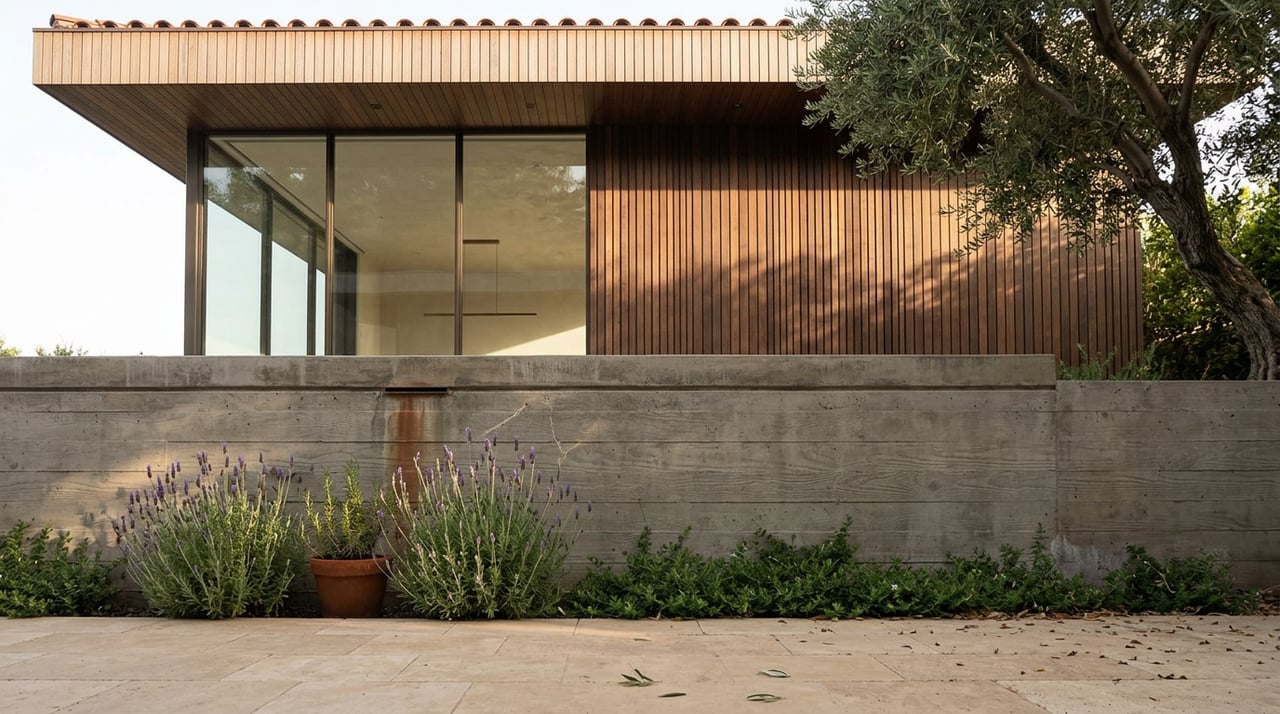
Selling a Studio City Hillside Home: The Disclosures and Escrow Frictions That Decide Your Sale
July 9, 2026
July 9, 2026
A well-priced flat-lot ranch north of Moorpark can be under contract in two weeks. A comparable hillside home above Mulholland, priced the same way per foot, can sit for six. That gap is not really about the view or the driveway. It is about what shows up inside the disclosure package once escrow opens, and how prepared the seller is for the buyer's second look.
If you own a home in Fryman Canyon Estates, Wrightwood Estates, Sunswept, or one of the streets climbing south of Ventura Boulevard, the 2026 market is asking a different question of you than it is asking of your neighbors on the valley floor. The list price gets you attention. The disclosure package decides whether you close at that number.
Studio City came out of Q1 2026 with a median around $1.62M, roughly 6.4% above the same period in 2025, and a sale-to-list ratio holding near 97.9%. Those numbers describe the neighborhood in aggregate. They do not describe your street.
Well-priced single-family homes under 2,000 square feet on the flats north of Ventura are moving in 14 to 21 days. Hillside properties, particularly those with canyon views or positions above Mulholland, are averaging 28 to 40 days, while pulling stronger price per square foot in the $850 to $1,100 range. Inventory in the 91604 zip code is running 18 to 22% below the five-year average, which sounds like a straightforward seller's market until you look at what is actually sitting: homes with steep driveways, limited off-street parking, or narrow approach streets that were priced as if those conditions did not exist.
The premium is real. So is the friction. The sellers who capture the premium are the ones who prepare for the friction before the sign goes up.
The frictions that surprise Studio City hillside sellers rarely appear in a CMA. They show up in week two of escrow, after the buyer's inspector has walked the slope and the buyer's agent has read the Seller Property Questionnaire twice. In order of how often they cost sellers money:
Each of these has a fix. None of them is expensive relative to the sale price. All of them are cheaper to solve before listing than to negotiate against a buyer holding a repair addendum.
California's Assembly Bill 38 expanded on July 1, 2025. For homes built before January 1, 2010 in a High or Very High Fire Hazard Severity Zone, the seller now has to hand the buyer a standardized fire-hardening disclosure that includes the State Fire Marshal's list of low-cost retrofits, indicating which ones exist on the property. You can read the bill text on the state's LegInfo site.
Two things about that requirement matter for pricing.
First, the law does not require you to install anything. It requires you to disclose. A seller with none of the twelve items checked can still close. What changes is the buyer's leverage in the inspection period.
Second, the defensible-space piece under Public Resources Code §4291 is a separate document. If the property sits in a designated zone, the sale generally needs documentation that the parcel complies with the 100-foot clearance rule at close. If that paperwork cannot be produced in time, the parties can agree in writing that the buyer will obtain it within a defined period after closing, but that is a concession, not a default.
The practical sequence for a hillside seller planning to list in the next 90 days:
Front-loading this work turns a soft spot in the disclosure package into a marketing point.
The Transfer Disclosure Statement is a snapshot. The Seller Property Questionnaire is a history. For hillside sellers, the SPQ is where the real work happens, because it asks about past conditions the TDS does not.
Any prior soil movement. Any drainage issues, past or present. Any cracks in retaining walls, whether or not they have been repaired. Past insurance claims for water intrusion or slope damage. Repairs performed under permit and repairs performed without one. Effective January 1, 2026, California sellers are also disclosing the presence of gas-powered appliances and whether tobacco or nicotine products have been used inside the home.
The honest answer to any of these questions is almost always better than the strategic one. Buyers who discover a repaired issue during escrow treat it as concealment. Buyers who see it disclosed at offer stage treat it as maintenance. That difference is often 1 to 2% of the sale price.
For sellers who inherited the home, or who have been remote for years, gathering this history takes real time. Old permit records live at LADBS. Prior geotechnical reports may exist with the engineer who signed them. Retaining wall drawings, if they exist at all, may be in a garage file cabinet. Start looking six weeks before listing, not two.
A recurring source of mispricing in Studio City hillside listings is ADU potential. On a flat 6,500-square-foot lot north of Ventura, California's statewide ADU rules make a detached second unit relatively straightforward. On a sloped parcel south of Ventura, the Baseline Hillside Ordinance governs grading quantities, buildable area, retaining wall thresholds, and haul route conditions. What is possible in principle is often not feasible in practice.
If your listing narrative includes ADU upside, back it up with a feasibility letter from an architect or contractor who has actually built in the Studio City hills. A buyer's due diligence will test the claim. A written opinion from a qualified professional lets the claim survive that test. An unsupported claim invites a re-trade.
The same logic applies to view protection, canyon setbacks, and any implied ability to expand the primary structure. Interpretation is your job as the seller. Buyers who cannot verify a claim will discount it.
The hillside price-per-square-foot advantage is genuine. The days-on-market difference is genuine. Both survive the closing table only when the disclosure package supports the price the offer came in at.
The sellers who capture the full 2026 premium in Fryman Canyon, Wrightwood Estates, or the streets above Colfax tend to share a pattern. They pre-inspect. They pull permits and reconcile square footage before the appraiser arrives. They complete a fire-safety inspection and check off what they can from the AB 38 retrofit list. They disclose everything the SPQ asks about, in writing, with dates. They arrive at the negotiating table with a package that answers the buyer's questions before the buyer asks them.
Preparation is the negotiation.
Do I have to install fire-hardening upgrades before selling? No. California law requires disclosure of what exists, not installation of what does not. Retrofits are strategic, not mandatory.
If my home is not in a High or Very High Fire Hazard Severity Zone, does AB 38 apply? The expanded low-cost retrofit disclosure applies only inside those designated zones. The Natural Hazard Disclosure Statement still applies to nearly every California sale regardless.
Can I sell a hillside home with an unpermitted retaining wall? Generally yes, with clear disclosure. What causes the deal to break is silence, not the wall itself. Get an engineer's opinion in hand before you list.
How much time should I plan for pre-listing preparation on a hillside property? Six to ten weeks is realistic for gathering permit history, completing a pre-listing inspection, scheduling a fire-safety inspection, and addressing the items you choose to address.
If you are thinking through a Studio City sale in the next few months and want a candid read on what your specific hillside parcel will ask of you, APF Real Estate Group works with sellers on exactly this preparation. Get In Touch to start the conversation early, while there is still time for preparation to compound into price.
Stay up to date on the latest real estate trends.
Whether buying or selling, Abdo Pierre Faissal delivers a tailored strategy, expert negotiation, and a seamless experience from start to finish.
Get In Touch With Us

ABDO PIERRE FAISSAL | CA DRE# 02090175
The Agency | CA DRE# 01904054
ADDRESS
14140 Ventura Blvd Ste 101
Sherman Oaks, CA 91403